



Haqeeqat-e Tawalla-o Tabarra – Part 2 of 3
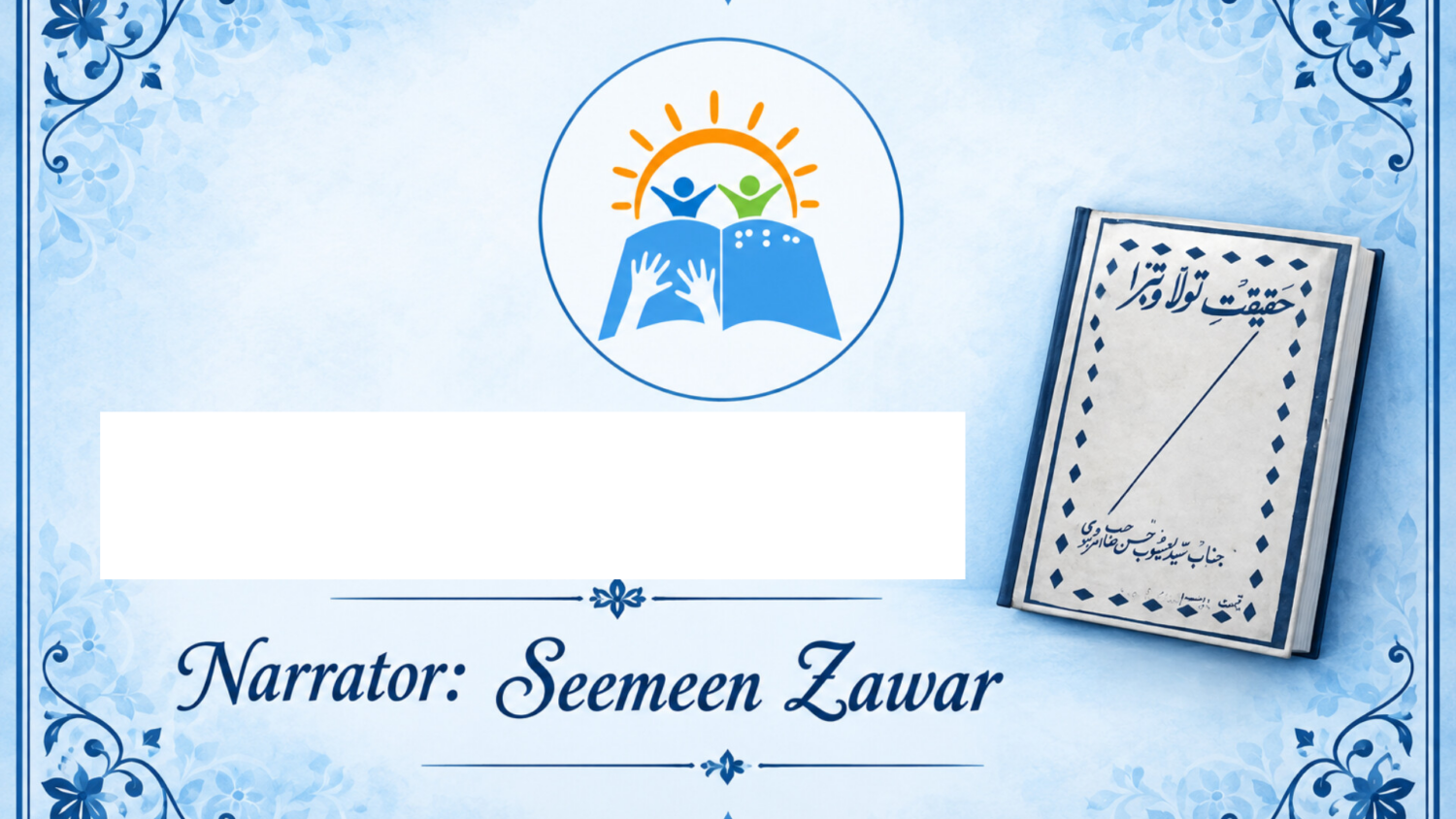
Haqeeqat-e-Tawalla-o-Tabarra (The True Reality of Allegiance and Dissociation) is a classic theological booklet authored by Hujjat-Ul-Islam Wal-Muslimeen Allama Syed Yasoob Hassan Amrohi, a prominent Shia scholar, orator, and polemicist. Written in concise Urdu prose, the booklet addresses one of the most fundamental operational doctrines in Shia Islamic theology: Tawalla (loving and adhering to ALLAH, the Prophet Hazrat (MUHAMMAD S.A.W.W and his AHL-E BAIT A.S) and Tabarra (dissociating oneself from their enemies and oppressors). Core Objectives & Context The booklet was composed to clarify misconceptions surrounding these two tenets, which form part of the Furu’ al-Din (the ancillary branches of faith in Shia jurisprudence). Hujjat-Ul-Islam Wal-Muslimeen Allama Syed Yasoob Hassan Amrohi wrote the piece to explain that Tawalla and Tabarra are not merely emotional states, but vital spiritual, intellectual, and practical imperatives that define the authenticity of a believer’s faith. Key Themes Covered in the Booklet 1. Dual Nature of Faith (Two Sides of the Same Coin) • The author establishes that true faith cannot exist as a passive sentiment. • He argues that loving truth (Tawalla) naturally demands a rejection of falsehood (Tabarra). One cannot claim genuine devotion to the Holy Prophet and his Household while remaining indifferent toward those who opposed or oppressed them. 2. Scriptural Evidence from the Qur’an • Ayat al-Muwaddah (33:23): Used to prove the obligation of loving the Prophet’s near kin (AHL-E BAIT A.S). • Ayat al-Bara’at & Quranic Examples: Cites examples such as Prophet Ibrahim (Abraham) explicitly declaring dissociation (Bara’at) from idolaters (Surah Al-Mumtahanah 60:4) to prove that dissociation from falsehood is a sunnah of all prophets. 3. Traditions (Ahadith) of the Infallibles • The booklet cites notable narrations, including the statement attributed to Imam (Jafar-e SADIQ A.S): “Is religion anything other than love and hatred [for the sake of ALLAH]?” • It highlights that acceptable good deeds (A’mal) are spiritually conditional upon having both Wilayah (allegiance) and Bara’at (dissociation). 4. Correct Etiquette and Theological Boundaries • Amrohi emphasizes the theological distinction between principled Islamic Tabarra (rejecting injustice, tyranny, and enemies of divine guidance) versus vulgarity or social discord. • He defines Tabarra primarily as a heart-based and action-based stance against oppression, hypocrisy, and deviation, keeping the believer aligned with the principles of justice. Impact & Audience The booklet remains an accessible introductory reader for students, researchers, and general readers seeking to understand the Shia perspective on religious allegiance and disavowal. It provides a structured, textual, and logical defense of these doctrines in a compact format. This informative, charming, attractive, heart-touching, useful, short but very comprehensive booklet has been recited by respected Mrs. Syeda Seemeen Zawwar Naqvi from the bottom of her heart.

